


auto repair warranty companies explained by a repeat customer

I've renewed more than once, and I now keep things simple: know what's covered, know who pays the shop, and keep your maintenance records. That's the trust formula with auto repair warranty companies - clear terms, quick claims, no runaround.

What these companies actually do

Under the hood, they sell vehicle service contracts that kick in after the factory warranty fades. The good ones remove friction; the bad ones create it.

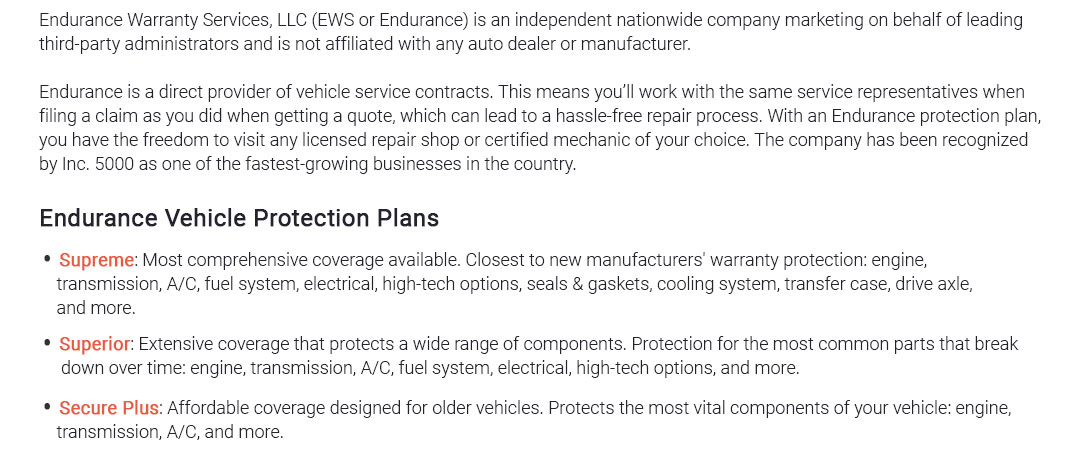
  • Extend coverage beyond the manufacturer period for named components or nearly everything except listed exclusions.
  • Coordinate repairs through your preferred mechanic or an approved network.
  • Set the rules: deductible, labor rate caps, parts type, and claim limits.
  • Pay the shop directly (best) or reimburse you later (slower).

How coverage typically works

  1. You buy a plan; a short waiting period starts to prevent pre-existing claims.
  2. You keep up on maintenance and save receipts.
  3. When something breaks, call the provider or have your shop do it.
  4. The shop diagnoses, then calls for pre-authorization.
  5. You approve any uncovered extras; provider approves covered items.
  6. You pay the deductible; the provider pays the rest up to contract limits.

Coverage tiers, decoded

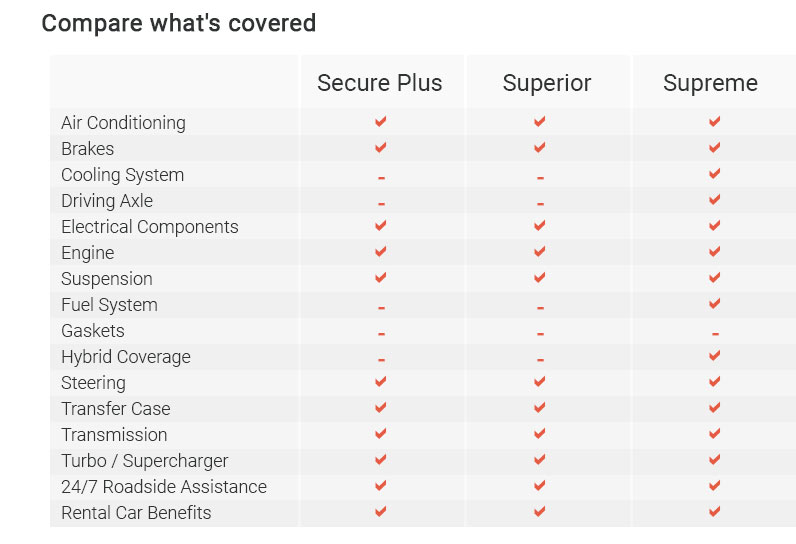
  • Powertrain: engine, transmission, drivetrain - budget-friendly, limited scope.
  • Stated component: a list of covered parts; anything not listed is excluded.
  • Exclusionary: easiest to understand - everything is covered except listed exclusions.

What to look for

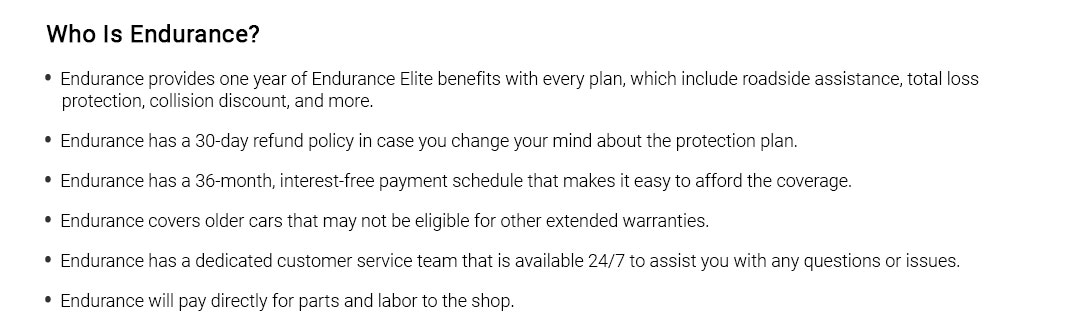
  • Direct-pay to the shop and no credit card holds for you.
  • Shop choice: freedom to use your trusted ASE-certified mechanic.
  • Labor rate caps that match your local market.
  • Diagnostic time covered (at least partially).
  • Parts: OEM or high-quality aftermarket, not the cheapest available.
  • Extras: rental, towing, trip interruption - clear dollar/day caps.
  • Admin strength: licensed in your state and backed by a solid insurer.
  • Contract clarity: sample contract available before you pay.

Costs and deductibles, made simple

Prices vary by vehicle, mileage, and coverage level. A modest deductible (say, per-visit) often lowers upfront cost without turning every fix into paperwork. Watch for disappearing deductibles at in-network shops - nice perk, not a deal-maker by itself.

A real moment from the road

Last spring, my alternator died on a rainy Tuesday. My shop phoned the provider, got approval in under 20 minutes, and I paid a $100 deductible. Rental reimbursement hit my account the following week. Not glamorous, but stress-free. (I did side-eye the "lifetime" part warranty - usually that means lifetime of the part, not yours.)

Red flags I avoid

  • Robocalls promising "final notice" coverage.
  • Vague marketing like bumper-to-bumper with tiny-print exclusions.
  • Mandatory additives or maintenance that isn't in your owner's manual.
  • Low labor caps that no local shop will accept.
  • "We cover everything" claims - no contract does.
  • Fine print tying claim payout to vehicle book value mid-repair.

Dealer plans vs third-party companies

Dealer-backed (manufacturer or dealer-sold)

  • Often integrates cleanly with the service department.
  • Sometimes pricier but easier claim handling at that brand's shops.

Independent third-party

  • More plan variety and shop flexibility.
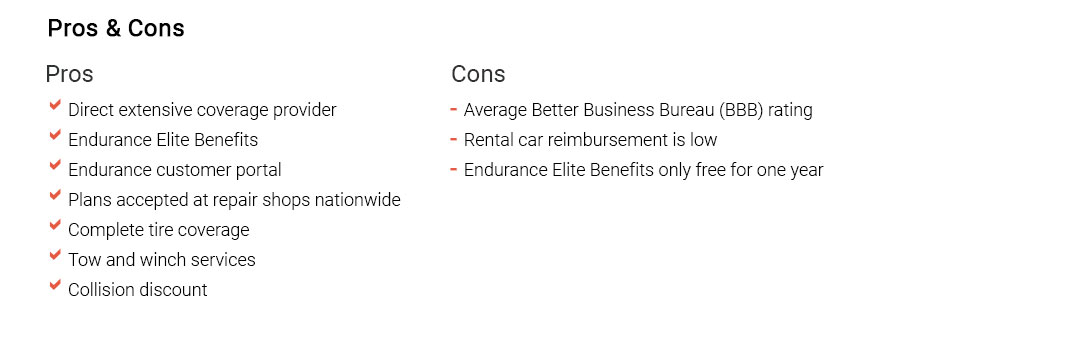
  • Quality varies widely - research is essential.

Questions to ask before you sign

  1. Is this exclusionary or stated-component coverage?
  2. What are the labor rate and diagnostic limits?
  3. Who pays the shop - directly or reimbursement?
  4. What are wear-and-tear and pre-existing definitions?
  5. Are rental, towing, and trip interruption included, and at what caps?
  6. Can I transfer or cancel, and what fees apply?
  7. May I review the full sample contract before purchase?

Simple claim prep checklist

  • VIN, mileage, and current location.
  • Service history: oil changes, fluids, major maintenance.
  • Symptoms and any warning lights or codes.
  • Shop contact info and a clear diagnosis note.

Quick comparison cues

  • Average pre-authorization time for common fixes.
  • Availability of a shop portal for faster approvals.
  • Clear escalation path and weekend support hours.
  • Consistent, plain-language exclusions.

Final thoughts

Good auto repair warranty companies feel invisible until you need them - and then they move fast. Keep your records, read the contract, and pick the plan that matches how and where you drive. Expertise matters, but simplicity wins when you're stranded and just want the car fixed.

https://www.marketwatch.com/insurance-services/car-warranty/worst-extended-auto-warranty-companies/
Reputable extended car warranty companies such as autopom! and Carchex typically receive favorable reviews from drivers. While it's inevitable ...

https://www.cbac.com/our-services/extended-warranty-service/
The Warranty Providers We Work With - Carmax - Warranty Direct - American Auto Care - Trustmark - Auto Service Agency - AA Auto Protection - Endurance - American ...

https://www.reddit.com/r/serviceadvisors/comments/1awce60/best_and_worst_ext_warranties/
I purchased an extended warranty for my BMW through Empire Auto Protect. ... repair to be completed and then chose the cheapest thing on ...


atwratnwm
4.9 stars -1866 reviews